Cuba FAQs

UBPC Alamar
“An important biological species is at risk of disappearing due to the rapid and progressive elimination of its natural habitat: MAN” Fidel. “ Once in a while, not often, but occasionally, you have an opportunity to do what many have not. Join a NEEM Brigade and explore the real Cuba, you will not come home the same.”
Frequently Asked Questions:
1. Is it legal to travel to Cuba?
Yes on general license travel allows you to travel with us on NEEM programs. With NEEM all you have to do is want to go.
2. What are NEEMs accommodations once there?
Travelers with NEEM are diverse and accommodations are often determined by the individual brigades itinerary. We stay where it is easy to exchange money, get transportation, central and announce per trip. We were the first to stay at Casa Particulars.
3. Can we arrange our own accommodations?
Not on NEEM delegations. It is important to the group dynamic that everyone be in close proximity (but on their own) for scheduling and the camaraderie/support you will find with the group.
4. Do we travel together?
NEEM delegates travel together with driver and interpreter/guide/NEEM representative during the structured travel time.
5.What does the cost include? 
The stated cost of the trips includes pick up at airport, lodging, transportation during structured time, Itinerary, all breakfasts, most lunches, one celebration dinner (split by delegates), a guide and driver. It does not include air fare to Miami or hotel in Miami.
6. Are there activities after the day program?
There are not activities scheduled after the day program but we have the best recommendations.
7. Can I upgrade accommodations?
Not during the structured time with NEEM. Change may be made on a Casa Particular by NEEM but only with 45 day advance.
8. What is delegation confirmation time line?
Plan ahead, deposits are due to secure and final payments are due 60 days and last 44 days before departure.
9. How much is air fare?
This is usually $499 to $545 w/visa, tax and insurance and include US Departure Taxes and Cuban Medical Insurance for the visa dates in Cuba.
10. What do accommodations cost?
These prices vary itinerary to itinerary and change dependent on length of stay & single vs. double. They are none the less calculated into the travel fee based on accommodation and transportation.
 11. Will NEEM provides a knowledgeable representative through out the trip?
Yes. We pride ourselves on going the extra mile in providing a multi-layer experience by having Cuban people, leaders of the movement and NEEMs Founder. You are getting much more than just a trip to Cuba.
12. How much money should I plan for?
Plan on $100 per day and you will be in a comfort zone.
13. Can we bring cigars and rum back?
Yes
14. Will someone meet us?
YES. A NEEM representative will meet you in Havana at the airport and this is announced.
15. What if we are coming from a long distance?
We recommend arrival and accommodations the day before departure for Havana in Miami near the airport unless flying direct or good connection time same day.
16. What about baggage?
Cuba charter flights allow 44 lbs. of checked luggage. Excess baggage fees vary but are around $1 or so a pound. Travel light, its easy, its Cuba and relaxed.
17. What about passport and Visa?
Your passport must be valid for 6 months plus prior to your travel or a visa will not be issued by Cuba. We make these arrangements and why we need the passport scans 60 days prior.
18. What about exchange before departure?
We recommend EURO’s or U.S. dollars now. EURO is almost one to one and USD is a 10% fee – exchange to EURO’s at your bank prior to departure if exchanging. Please refer to this as exchange rate vary.
19. What about gratuities?
Tip for service is expected. End of trip gratuities are pooled by the Delegates for our hosts. Your tip to those who served you during your time is dependent on the service and your call. We collect the tip anonymously, no exceptions and pool them in individual envelopes for presentation at the celebration dinner. This is called the “night of the envelope” by the Cubans and very important to the host and families living on the margin. BE GENEROUS!
20. What’s the food like? 
Its great! Tropical meats and potato but with rice and beans, great fruit, desserts and Jalado. The food is Crilloa not Creole and not spicy hot. NEEM has some dynamite spots that are off the radar with excellent food, atmosphere and prices.
21. Should I worry about the water?
YES. The infrastructure is shot. You invested in a trip to enjoy Cuba, use bottled water to brush your teeth and drink and you will. It will not be a problem if you are careful. If you can’t peel it, cook it.
22. What if I fall ill?
The cost of your trip includes Cuban medical insurance for coverage in Cuba. For hospital visits you must bring your airplane ticket and visa as proof of insurance. We recommend travel insurance if there is a serious issue; you are covered.
23. How safe is Cuba?
VERY. There is really no major crime in Cuba. You will not be harassed if you are street wise and travel smart. Perform due diligence and do some homework.
24. What about clothes?
Shorts and t-shirts for the day, slacks and nice short sleeve shirts for the evenings. A good hiking boot or running shoe work with everything for every occasion. Water shoes are good to have.
25. How do I communicate to my home or business by phone?
Call from your Casa or hotel. Cell service works as well as e-mail in hotels and hot spots.
26. Will a laptop and cell phone work, should I bring them?
Yes but We don’t bring one, its a refreshing break not to have it. We bring a cell phone and a removable hard drive with everyone’s information on it and use available WiFi (if you are in a hot zone).
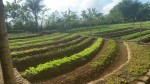 27. What do you mean by PLANT and FIGHT?
Plant and Fight Genetically Modified Organisms (GMO), early on-set diabetes, obesity, poor nutrition, food in-security, social injustice, socioeconomic barriers, for sustainable economies and community, to break the fast or prepared food chain, to bring families together and break bread, end the embargo and to unite the community in which we reside.
NEEM
neem@mindspring.com 919-683-1244
More FAQs: